






Figure 3.4
For decades, operating systems have remained largely invisible to most users. Whether it’s Windows, macOS, Android, or iOS, people typically interact with apps, files, and notifications without thinking much about the system quietly managing everything underneath.
But artificial intelligence is beginning to change that dynamic completely.
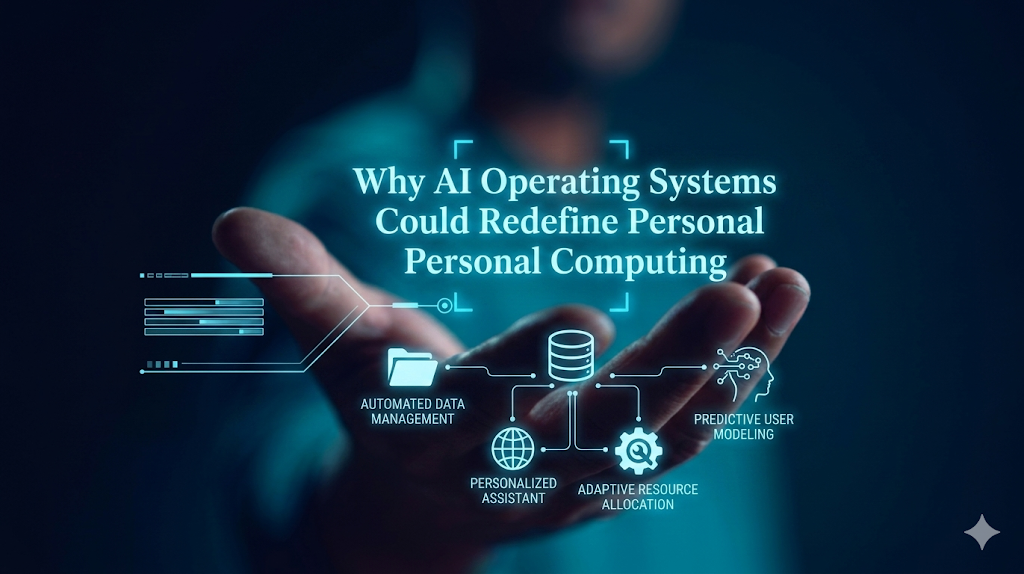
The next major evolution in personal computing may not come from faster processors or thinner devices. It may come from AI-powered operating systems that can understand context, automate workflows, and actively assist users across their digital lives.
Instead of simply managing hardware and launching applications, future operating systems could function more like intelligent digital environments.
The Shift From Passive Systems to Intelligent Systems
Traditional operating systems are reactive. Users manually open apps, organize files, search for information, and switch between workflows themselves.
AI-powered operating systems aim to reduce that friction entirely.
Rather than waiting for instructions, these systems could anticipate tasks, summarize notifications, organize project files automatically, and coordinate actions across multiple applications in real time.
For example, an AI operating system could prepare meeting summaries, surface relevant documents before a presentation, organize research materials, and prioritize important messages automatically.
This broader movement toward intelligent infrastructure reflects many of the same scalability and systems design principles discussed in Storage Engines: How Databases Store and Retrieve Data Efficiently.
Why Big Tech Is Moving Toward AI-Native Systems
The competition around AI is no longer limited to chatbots and search engines. Technology companies are increasingly focused on embedding AI directly into the core operating layer of devices.
That matters because operating systems control the overall user experience.
Whoever owns the operating system gains visibility into workflows, productivity habits, communication patterns, and application usage. AI integration at that level creates opportunities for deeper automation, personalization, and ecosystem control.
This trend also highlights a growing challenge in modern software engineering: balancing intelligent automation with simplicity and usability. As systems become more advanced, managing complexity becomes increasingly important, similar to the ideas explored in Simplicity: Managing Complexity in Modern Software.
The Privacy and Control Challenge
Despite the excitement surrounding AI-native operating systems, the technology introduces significant concerns around privacy, transparency, and user control.
An operating system deeply integrated with AI could potentially access emails, documents, browsing activity, schedules, conversations, and behavioral patterns. That level of system visibility raises serious questions about how personal data is processed and protected.
There is also the issue of over-automation. As systems become increasingly proactive, users may gradually lose visibility into how recommendations and decisions are generated behind the scenes.
The companies that succeed long term will likely be the ones that balance intelligent assistance with transparency, trust, and meaningful user control.
What This Means for the Future of Computing
AI operating systems could fundamentally reshape how people interact with technology over the next decade.
Instead of manually managing apps, files, and workflows, users may increasingly rely on intelligent systems capable of organizing information, automating repetitive tasks, and simplifying digital interactions in real time.
That transformation could impact everything from enterprise productivity and education to software development and creative work.
As AI continues moving deeper into the foundation of computing, operating systems may quietly become one of the most important competitive battlegrounds in modern technology again.
For more software engineering, AI, and technology analysis, visit ChiidTech