







Google’s Android developer verification goes live September 30 in 4 countries. Here’s exactly what changes for sideloading, developers, and everyday users.
INTRODUCTION
If you install Android apps from outside the Google Play Store or if you build apps for Android, something significant is happening to the platform this year, and it is coming faster than many people realise.
Google has published an updated timeline for Android developer verification: a system that requires apps to be linked to a verified developer identity before they can be installed on certified Android devices through standard means. The first user-facing enforcement begins September 30, 2026, in Brazil, Indonesia, Singapore, and Thailand. Global expansion follows in 2027.
This is not a ban on sideloading. But it does fundamentally change what sideloading an unverified app looks like and for Android developers, it changes how your apps need to be registered starting now.
Here is a clear, complete breakdown of what is happening, when, and what it means for you.
WHY GOOGLE IS DOING THIS
The motivation behind this change is stated plainly in Google’s own blog post: its internal analysis found that malware is over 90 times more common in sideloaded apps than in apps distributed through the Play Store.
That figure is the clearest articulation Google has offered of the security problem it is trying to solve. Malicious actors have long used Android’s openness against users, building harmful apps, distributing them outside official channels, and then simply creating new anonymous accounts when previous ones are flagged or removed.
Developer verification addresses this by breaking the anonymity. If every app must be linked to a verified developer identity, a real name, address, and in some cases government-issued ID, it becomes significantly harder for repeat bad actors to cycle through fresh identities and continue distributing malware.
Google has framed this explicitly: the goal is to deter bad actors, not to close Android’s platform. Sideloading remains possible. What changes is the friction involved when an app is not registered.
WHAT IS ANDROID DEVELOPER VERIFICATION?
Android developer verification is a system that links every app to a registered developer identity. Both the Play Console (for Play Store developers) and the new Android Developer Console (for developers outside Play) are involved.
Developers registering through the Android Developer Console need to provide:
- Legal name, address, email address, and phone number
- For organisations: a D-U-N-S number and verified organisation website
- In some cases: official government-issued ID
Once verified, developers register their apps, creating a traceable link between the app and an accountable real-world identity. Google’s Android Developer ID Status API, also being launched as part of this rollout, allows developers to register apps in bulk or directly through CI/CD pipelines, reducing manual overhead for larger teams.
Since the registration process launched in March 2026, Google reports that millions of apps have already been verified, covering nearly all installs on Google Play and a large majority of installs from outside of Play as well.
THE COMPLETE TIMELINE
Google has published a phased timeline that spans from now through 2027. Here is every stage clearly laid out:
JUNE 2026: VERIFIER SERVICE AUTO-INSTALLS (HAPPENING NOW)
Starting this month, Google is rolling out a new background system service called Android Developer Verifier (package name: com.google.android.verifier) to all Android 8.0 and newer devices. It will appear automatically through Google System Updates, users may see it listed in their Google System Services settings.
This service does one thing: it validates whether an app is registered to a verified developer. It is being deployed now, ahead of any enforcement, so the infrastructure is in place before September’s user-facing changes arrive. No app installs are blocked or affected at this stage.
Also in June: early access for Limited Distribution Accounts begins for a select group of developers.
JULY 2026: LIMITED DISTRIBUTION ACCOUNT EARLY ACCESS EXPANDS
In July, Google will begin granting early access to a wider pool of limited distribution accounts through the Android Developer Console.
Limited Distribution Accounts are a new account type specifically designed for students, hobbyists, and learners. They offer:
- No registration fee
- No government-issued ID requirement
- The ability to share apps with up to 20 devices
This is a meaningful inclusion for the open-source and independent developer community, ensuring that casual and educational use cases have a viable path that does not require full government ID verification or a $25 fee.
AUGUST 2026: GLOBAL LAUNCH OF KEY DEVELOPER TOOLS
August brings two global launches:
- Limited Distribution Accounts open globally, not just early access.
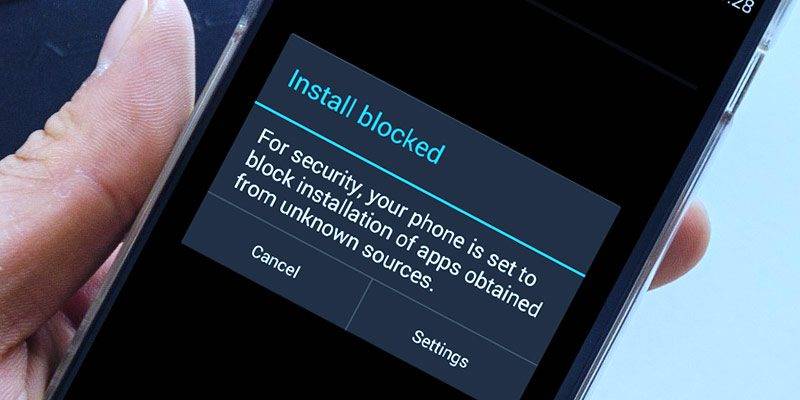
- The “Advanced Flow” for sideloading launches globally. This is the mechanism that power users will use to install apps from developers who have not completed verification. It includes a mandatory 24-hour waiting period and multiple confirmation steps during installation.
Android Debug Bridge (ADB) remains available as an alternative for developers and technical users who want to install unverified apps without the advanced flow. ADB use continues unchanged.
SEPTEMBER 30, 2026: FIRST ENFORCEMENT: FOUR MARKETS
This is the date that changes things for everyday users, but only in four initial markets: Brazil, Indonesia, Singapore, and Thailand.
From September 30, on certified Android devices in these countries, apps must be registered by a verified developer to be installed or updated through standard means. The enforcement applies to apps from the following app stores:
- Google Play
- HONOR App Market
- OPPO App Market (OPlus/OPPO)
- Galaxy Store (Samsung)
- Palm Store (Transsion)
- V-Appstore (vivo)
- GetApps (Xiaomi)
Unverified apps are not blocked outright. They can still be installed, but only through the advanced flow (with its 24-hour waiting period and extra confirmation steps) or via ADB.
Users in other countries including across Africa, Europe, and most of Asia, will not see these enforcement changes until the global rollout in 2027.
2027 AND BEYOND GLOBAL ENFORCEMENT
Google will expand the verification requirement globally in 2027, after incorporating feedback from partners, users, and developers gathered during the initial four-market rollout.
The global rollout’s exact timing within 2027 has not been specified. Google has indicated it will be informed by what it learns from the September 2026 launch.
WHAT THIS MEANS FOR DIFFERENT GROUPS

FOR EVERYDAY ANDROID USERS
If you only install apps from the Play Store or the other major stores listed above, you will not notice any change. Verified apps install exactly as they do today.
If you sideload apps; installing APKs from websites, file-sharing platforms,
or other unofficial sources, you will be affected if those apps are not registered by a verified developer. In the four initial markets, this change hits September 30. Globally, it arrives in 2027.
When it does: you can still install unverified apps, but you will need to go through the advanced flow (with its 24-hour lock and multiple warning steps) or use ADB.
FOR ANDROID DEVELOPERS
If you distribute through Google Play, your Play Console account already handles verification. Check your Play Console for any outstanding verification requirements, Google has been rolling these out gradually.
If you distribute outside of Play, create an account in the new Android Developer Console and complete developer verification now. The September 30 deadline in the initial four markets means apps that are not registered will become harder to install for users in those regions from that date.
For students, hobbyists, and small developers: the Limited Distribution Account path offers a verification route with no government ID required and no fee, for apps shared with up to 20 devices. This is available globally from August.
For larger development teams: the Android Developer ID Status API allows bulk app registration and integration into CI/CD pipelines, avoiding the need to register apps one by one.
FOR OPEN-SOURCE AND INDIE DEVELOPERS
This is where the debate is most active. Some developers are concerned that any verification requirement adds friction to genuinely benign projects. Google’s inclusion of the Limited Distribution Account path; fee-free, no government ID, up to 20 devices, is its answer to this concern.
For open-source projects that distribute APKs publicly and need wider reach, the advanced flow provides continued access for users willing to use it. ADB remains unchanged for technical users.
WHAT STAYS THE SAME
It is worth being clear about what is not changing:
- Sideloading is not being banned. It continues as a feature of Android.
- ADB installation is unchanged and unaffected.
- Users retain the choice to install apps from any source, including unverified developers, via the advanced flow.
- The Play Store experience is identical for standard users.
Google has been explicit: the intent is to make anonymity-based malware distribution harder, not to close the platform. Whether the practical effect lands differently for some developer communities is a legitimate ongoing debate.
CONCLUSION
Android developer verification is the most significant structural change to how Android handles app installation in years. The motivation; malware 90 times more prevalent in sideloaded sources than on Play, is not in dispute. What is being debated is whether the trade-off between security friction and platform openness has been struck in the right place.
For most everyday users, nothing changes before September 30 and nothing changes outside four markets until 2027. For developers, the action item is clear: register your apps now, before the enforcement dates arrive.
The Android Developer Verifier service is rolling out to Android 8+ devices this month. If you want to get ahead of what is coming, start at developer.android.com/developer-verification.