





AI doesn’t fix weak software teams; it amplifies their flaws. Here’s what Nigerian tech organisations must do before plugging AI into broken systems.
Introduction
There is a quiet truth many technology leaders do not want to hear: AI will not automatically make software teams better. It will only make their current habits louder. If a team already has poor documentation, weak testing, careless code review, and confused leadership, AI will not solve those problems. It may even multiply them.
Software development is not just about code, but about people, tools, culture, rules, incentives, testing, review, deployment, and business pressure working together as one system. This is important, especially now that AI is entering software work at a very high speed.
The Tool Trap: Rushing Toward AI Before Fixing the System
In Nigeria, and in many developing technology spaces, we often rush toward tools before we fix systems. A new framework comes out, everybody wants to use it. A new AI coding assistant appears, everybody wants to plug it into their workflow. But we do not always ask the deeper question: what kind of software environment are we bringing this tool into? That question matters.
AI can help a developer write code faster. But faster coding is not the same thing as better engineering. A person can produce more code and still produce more confusion. A team can ship more features and still increase technical debt. A company can use AI everywhere and still become more fragile.
The Real Issue Is Not Code Generation. It Is Code Maturity.
The real issue is not whether AI can generate code. It can. The issue is whether our teams can understand, test, review, maintain, and safely deploy the code that AI helps to produce. This is where many organisations may soon face trouble.
Code review is already a serious bottleneck in many teams. Testing is often incomplete. Documentation is usually treated as an afterthought. Architecture knowledge is kept inside the heads of one or two senior developers. In such an environment, AI-generated code may create speed, but not strength.
For Nigerian startups, banks, fintechs, public agencies, and software consulting firms, this should be a serious warning. We must not confuse activity with progress. Ten times more code does not mean ten times more value. Sometimes it simply means ten times more maintenance problems.
Engineering Culture Cannot Be Bought. It Is Built.
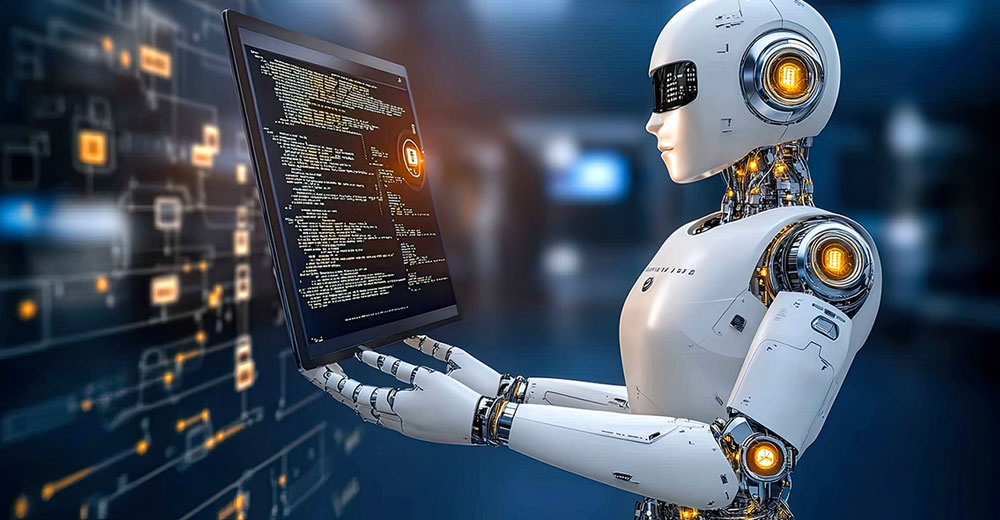
There is also the matter of culture. A good engineering culture is not built by buying tools. It is built through discipline. It is built when teams document decisions, write useful tests, mentor junior developers, review code with care, and design systems that others can understand. AI will favour teams that already have these habits. For teams that lack them, AI may only reveal the weakness faster.
The Human Attention Problem: Who Will Review It All?
Another concern is human attention. In software development, attention is expensive. Senior engineers already spend time answering questions, reviewing pull requests, fixing production issues, and guiding younger developers. If AI now allows every developer to create more code, more branches, more prototypes, more services, and more internal tools, who will review all of it? Who will decide what is safe? Who will understand the full system?
AI Adoption Is Not Just a Productivity Matter. It Is a Governance Matter.
This is why leaders must stop seeing AI adoption as only a productivity matter. It is a governance matter. It is a culture matter. It is a training matter. It is also a cost matter, because tokens, compute, testing, and cloud resources are not free.
The future of software engineering will not belong to teams that simply use AI. It will belong to teams that know how to control AI inside a healthy engineering system. Such teams will ask hard questions: Where is our code weak? Where are our tests missing? What parts of our architecture do we no longer understand? What should AI be allowed to do? What must still require human judgment?
AI Is Not Replacing Software Ecology. It Is Disturbing It.
For me, this is the central lesson: AI is not replacing software ecology. It is disturbing it. Every organisation must therefore study its own ecosystem before adding more speed. A bad road does not become safe because the car is faster.
Nigeria Has a Chance to Learn Early
Nigeria has a chance to learn early. Our technology sector is young, energetic, and ambitious. But ambition without structure can become waste. As AI enters our software teams, we must build better habits, not just faster workflows. We must train developers not only to prompt AI, but to reason about systems. We must teach junior engineers not only how to generate code, but how to defend quality.
AI is changing software engineering. That one is clear. But whether it improves us or exposes us depends on the systems we build around it. The question is no longer, “Can AI help us write code?” The better question is, “Are we mature enough to manage what AI will produce?”
What does your team’s engineering culture look like today? Share your thoughts in the comments, or explore our Software Development resources for tools and insights to help your team grow.