


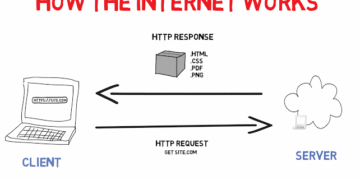





A comprehensive guide to cloud computing, understanding SaaS, PaaS, IaaS, scalability, virtualisation, and cloud security with real-world examples and practical next steps.
Introduction
“The cloud” is one of those tech terms that gets used constantly but rarely explained well. The truth is, cloud computing has fundamentally changed how businesses build products, store data, and deliver services, and it has reshaped IT careers in the process. Whether you’re a developer, IT professional, business owner, or tech learner, understanding cloud computing is no longer optional. This post breaks down what the cloud actually is, the different service models, the real benefits and risks, and how organisations are using it today. By the end, you’ll be able to speak confidently about cloud computing and understand why it has become the backbone of modern technology infrastructure.
What Is Cloud Computing? (Simple Explanation)

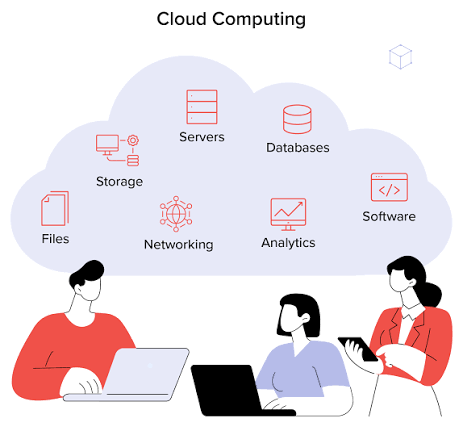
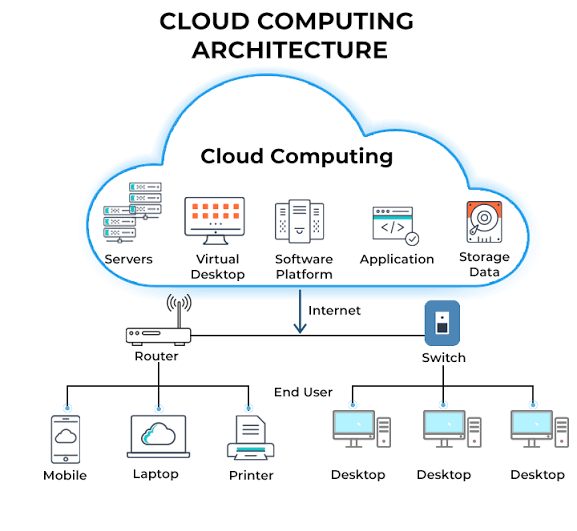
Cloud computing is the delivery of computing services, including servers, storage, databases, networking, software, and analytics, over the internet, on demand, and typically on a pay-as-you-go basis. Instead of owning and maintaining physical servers in your office or data centre, you rent computing power and storage from a cloud provider like Amazon Web Services (AWS), Microsoft Azure, or Google Cloud. The “cloud” is essentially someone else’s computer, a vast, powerful, globally distributed infrastructure that you access remotely whenever you need it.
Why It Matters
Before cloud computing, organisations had to buy expensive hardware, maintain physical data centres, and over-provision resources to handle peak demand, paying for capacity they often didn’t use. The cloud changed that model entirely. Businesses can now scale up or down instantly, pay only for what they use, access the latest technology without managing hardware, and deploy software to users anywhere in the world within minutes. For IT professionals, cloud skills are among the most sought-after and well-compensated in the industry today.
Key Concepts You Need to Know
The Three Service Models, IaaS, PaaS, and SaaS
Cloud computing is delivered in three main models, each offering a different level of control and abstraction.
IaaS (Infrastructure as a Service) provides raw computing infrastructure, virtual machines, storage, and networking, over the internet. You manage the operating system and everything above it; the provider manages the physical hardware. Example: Amazon EC2, Google Compute Engine.
PaaS (Platform as a Service) provides a managed environment for developing and deploying applications. You focus on writing code; the provider manages the infrastructure, operating system, and runtime. Example: Google App Engine, Heroku, Microsoft Azure App Service.
SaaS (Software as a Service) delivers fully functional software over the internet. The provider manages everything, infrastructure, platform, and application. You simply log in and use it. Example: Gmail, Microsoft 365, Salesforce, Slack.
Public, Private, and Hybrid Cloud
A public cloud is owned and operated by a third-party provider and shared across many customers. A private cloud is dedicated infrastructure used exclusively by one organisation, either on-premises or hosted by a provider. A hybrid cloud combines both, allowing organisations to keep sensitive data on private infrastructure while using the public cloud for scalability and less sensitive workloads.
Scalability and Elasticity
One of the cloud’s most powerful features is scalability, the ability to increase or decrease computing resources quickly in response to demand. Elasticity takes this further, meaning the system automatically adjusts resources in real time. A retail website that handles ten times its normal traffic on a sale day, without crashing and without paying for that capacity year-round, is a classic example of cloud elasticity in action.
Virtualisation
Virtualisation is the technology that makes cloud computing possible. It allows a single physical server to run multiple isolated virtual machines, each behaving as if it were a separate computer. This dramatically increases the efficiency and flexibility of hardware, letting cloud providers serve thousands of customers from the same physical infrastructure.
Cloud Security
While cloud providers invest heavily in security, the shared responsibility model means security is a joint effort. The provider secures the underlying infrastructure; the customer is responsible for securing their data, access controls, and applications running on the cloud. Key cloud security practices include managing identity and access carefully, encrypting data at rest and in transit, and monitoring for unusual activity.
Common Mistakes or Misconceptions
- “The cloud is always cheaper than on-premises infrastructure.” The cloud can reduce costs significantly, but poor resource management, leaving unused virtual machines running or over-provisioning storage, can lead to unexpectedly high bills. Cost optimisation is a real discipline in cloud management.
- “Moving to the cloud means your data is automatically secure.” Security is a shared responsibility. Misconfigured cloud storage buckets have been responsible for some of the largest data breaches in recent years. Security must be actively managed, not assumed.
- “The cloud is just someone else’s hard drive.” Cloud computing encompasses far more than storage, it includes computing power, machine learning tools, global content delivery, managed databases, developer platforms, and much more.
Practical Next Steps
Build your cloud computing knowledge and credentials with these steps:
- Create a free account on AWS (aws.amazon.com/free), Google Cloud (cloud.google.com/free), or Microsoft Azure (azure.microsoft.com/free), all offer free tiers that let you explore core services without spending money.
- Explore the fundamentals of one cloud platform using their free official training: AWS Skill Builder, Google Cloud Skills Boost, and Microsoft Learn are all excellent starting points.
- Work toward a foundational cloud certification, the AWS Cloud Practitioner, Google Cloud Digital Leader, or Microsoft Azure Fundamentals (AZ-900) are all beginner-friendly and widely recognised by employers.
Key Takeaways
- Cloud computing delivers computing services over the internet on demand, replacing the need for organisations to own and manage physical infrastructure.
- The three service models, IaaS, PaaS, and SaaS, offer different levels of control, from raw infrastructure to fully managed software.
- Scalability, elasticity, and pay-as-you-go pricing are the cloud’s most transformative business advantages.
- Security in the cloud is a shared responsibility, providers secure the infrastructure, but customers must actively manage their own data and access controls.
Related Reading
- Previous week: Software Development Lifecycle Explained for Aspiring Professionals
- Coming up: Artificial Intelligence in Tech: Opportunities and Challenges
Call to Action: Subscribe for next week’s post on artificial intelligence, machine learning, generative AI, automation, ethics, and how AI is reshaping the IT workforce.