







A comprehensive guide to the Software Development Lifecycle, planning, analysis, design, development, testing, deployment, and maintenance explained for aspiring tech professionals.
Introduction
Every piece of software you use, from the app on your phone to the system that processes your bank transactions, went through a structured process before it reached you. That process is called the Software Development Lifecycle, or SDLC. Understanding the SDLC is essential for anyone pursuing a career in software engineering, IT project management, quality assurance, or product development. It provides a shared framework that keeps teams aligned, projects on track, and software reliable. This post walks through each phase in detail, explains why each one matters, and shows how they connect to produce finished software.
What Is the Software Development Lifecycle? (Simple Explanation)
The Software Development Lifecycle is a structured process that guides how software is planned, created, tested, and maintained. Rather than diving straight into writing code and hoping for the best, the SDLC breaks software development into defined phases, each with a clear purpose and set of outputs. It ensures that the right software is built the right way, within time and budget constraints, and with quality baked in from the beginning rather than bolted on at the end.
Why It Matters
Without a structured lifecycle, software projects routinely run over budget, miss deadlines, fail to meet user needs, or ship with critical defects. The SDLC exists to prevent these outcomes by introducing discipline, communication, and accountability at every stage. For aspiring professionals, understanding the SDLC means you can contribute meaningfully to any tech team, communicate clearly with colleagues across roles, and understand where your work fits in the bigger picture, whether you’re a developer, tester, analyst, or project manager.
Key Concepts You Need to Know
Phase 1, Planning
The planning phase defines the scope, purpose, and feasibility of the project. Key questions answered here include: What problem are we solving? Who are the users? What resources, time, and budget are available? What are the risks? A poorly planned project is one of the leading causes of software failure, which is why this phase, though unglamorous, is critical.
Phase 2, Requirements Analysis
In this phase, the team gathers detailed information about what the software must do. This involves interviewing stakeholders, studying existing systems, and documenting functional requirements (what the system does) and non-functional requirements (how well it does it, speed, security, scalability). The output is typically a requirements specification document that guides everything that follows.
Phase 3, System Design
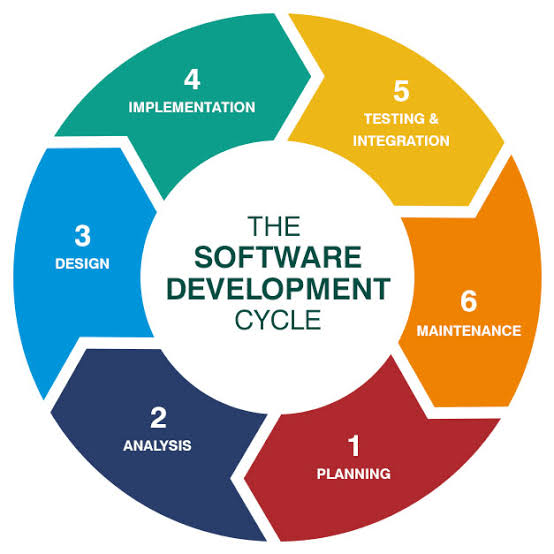
Design translates requirements into a blueprint for the software. This includes decisions about system architecture, database design, user interface layout, technology stack, and how different components will interact. Good design catches potential problems early, before a single line of code is written, saving enormous time and cost later.
Phase 4, Development
This is the phase most people picture when they think of software engineering, writing the actual code. Developers build the system according to the design specifications, typically working in teams on different components simultaneously. Modern development teams use version control systems like Git to manage code changes and collaboration without overwriting each other’s work.
Phase 5, Testing
Testing verifies that the software works correctly, performs well, and is secure. It includes unit testing (testing individual components), integration testing (testing how components work together), user acceptance testing (confirming the software meets real user needs), and performance testing (checking speed and stability under load). Testing is not an afterthought, it is a core discipline that prevents defects from reaching users.
Phase 6, Deployment
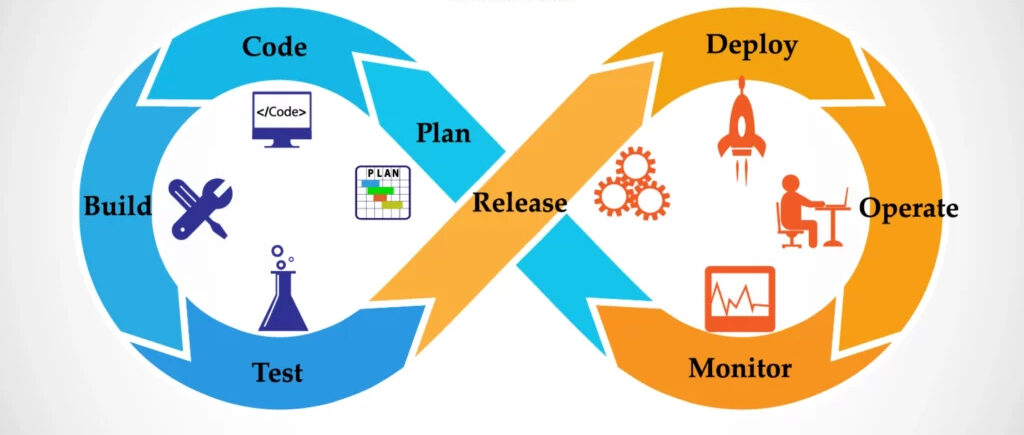
Deployment is the release of the finished software to its users. This can range from a simple file upload to a highly orchestrated rollout across thousands of servers. Modern teams often use continuous deployment pipelines, automated processes that test and release code changes rapidly and reliably. A phased rollout (releasing to a small percentage of users first) helps catch any remaining issues before a full launch.
Phase 7, Maintenance
Software is never truly finished. After deployment, maintenance involves fixing bugs that emerge in the real world, releasing updates and new features, optimising performance, and ensuring security patches are applied promptly. In practice, maintenance consumes a significant portion of a software product’s total lifetime cost, making it one of the most underestimated phases.
Common Mistakes or Misconceptions
- “The SDLC is only relevant for large projects.” Even small personal projects benefit from basic planning, documentation, and testing habits. The scale changes but the principles remain the same.
- “Testing happens only at the end.” In modern development approaches like Agile and DevOps, testing is continuous and happens throughout the process, not just in a final phase before release.
- “Once software is deployed, the work is done.” Maintenance often accounts for more time and resource than the original build. Ongoing improvement, security updates, and user feedback are permanent responsibilities.
Practical Next Steps
Build your understanding of the SDLC in practice:
- Explore the Agile methodology, the most widely used modern approach to SDLC, starting with the free resources at agilealliance.org. Agile breaks the lifecycle into short, iterative cycles called sprints rather than one long sequential process.
- If you’re learning to code, apply basic SDLC thinking to your next project: write down what you’re building and why before you start, sketch a simple design, test it before calling it done.
- Look into entry-level certifications like the ISTQB Foundation (for software testing) or CompTIA Project+ (for IT project management) to formalise your SDLC knowledge for employers.
Key Takeaways
- The SDLC is a structured process for planning, building, testing, and maintaining software, applied across the entire industry.
- Its seven phases, planning, analysis, design, development, testing, deployment, and maintenance, each serve a distinct and critical purpose.
- Skipping or rushing any phase increases the risk of delays, cost overruns, defects, and user dissatisfaction.
- Modern teams use Agile and DevOps approaches to make the SDLC faster and more iterative without sacrificing quality.
Related Reading
- Previous week: Database Basics: How Information Is Stored and Managed
- Coming up: Cloud Computing Explained: Concepts, Benefits, and Real Uses
Call to Action: Subscribe for next week’s post on cloud computing, SaaS, PaaS, IaaS, scalability, and what the cloud actually means for businesses and individuals.