




A practical guide to building strong password habits, learn what makes a password truly secure, why most people get it wrong, and how password managers change everything.
Introduction
Passwords are the most widely used security mechanism in the digital world, and the most widely abused. Billions of credentials are stolen and traded every year, and the overwhelming majority of successful account breaches involve passwords that were weak, reused, or compromised in a previous data breach. The frustrating truth is that most people know their password habits are not great, but changing them feels inconvenient or overwhelming. This post removes that friction entirely. It explains what makes a password genuinely strong, exposes the most common password mistakes, and introduces the tools and systems that make excellent password security effortless rather than burdensome. By the end, you will have a clear, sustainable approach to password security that you can implement today.
What Makes a Password Strong? (Simple Explanation)
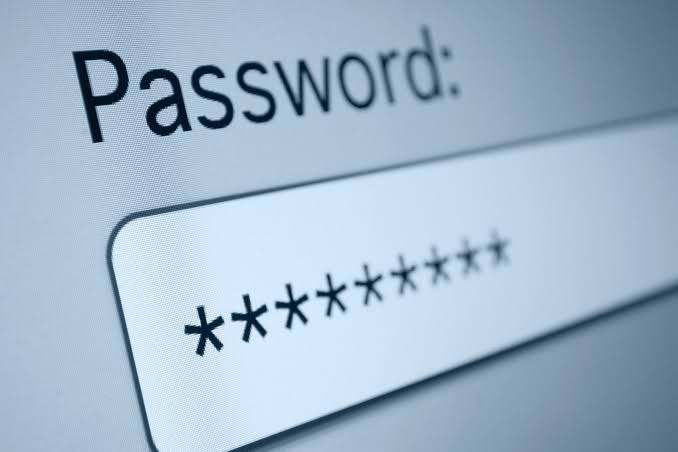
A strong password is one that is difficult for both humans and computers to guess. The two most important properties are length and uniqueness. Length matters because modern password-cracking tools work by trying combinations at extraordinary speed, a longer password exponentially increases the number of combinations an attacker must try. Uniqueness matters because if the same password is used across multiple accounts, a breach of any one of them exposes all the others. A strong password is also unpredictable, avoiding dictionary words, common substitutions, and personal information that could be guessed or researched.
Why It Matters
Weak and reused passwords are the single most exploited vulnerability in personal and organisational cybersecurity. When a service you use suffers a data breach and your credentials are exposed, attackers use automated tools to test those same credentials against hundreds of other services, a technique called credential stuffing. If you reuse passwords, one breach becomes many. Strong, unique passwords, managed effectively, break this chain entirely, limiting the damage of any single breach to just that one account.
Key Concepts You Need to Know
Length Over Complexity
The cybersecurity industry has largely shifted its guidance away from complex, hard-to-remember passwords full of symbols and toward long passphrases. A passphrase is a sequence of random words, such as “correct horse battery staple”, that is long, memorable, and extraordinarily difficult to crack through brute force. A sixteen-character passphrase is significantly stronger than an eight-character password full of symbols, and far easier to remember. The current recommendation from most security authorities is a minimum of twelve to sixteen characters, with longer being better.
Never Reuse Passwords
Every account you hold should have a completely unique password. This is the single most impactful password habit you can build. If a service you use is breached, and with thousands of breaches happening every year, it is a matter of when, not if, a unique password means only that one account is at risk. Reusing passwords turns a minor inconvenience into a cascading disaster.
Password Managers, The Game Changer
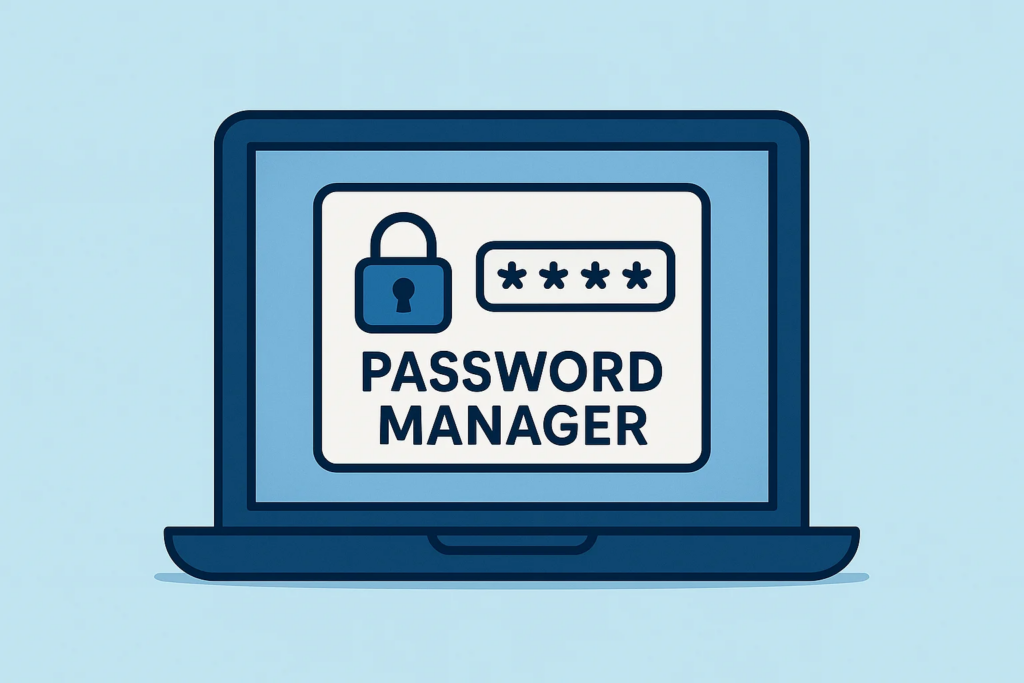
The reason most people reuse passwords is simple: memorising dozens of unique, complex passwords is not realistic. Password managers solve this problem entirely. A password manager is a secure application that generates, stores, and autofills strong, unique passwords for every account you hold. You need to remember only one master password, the password manager handles everything else. Reputable options include Bitwarden (free and open-source), 1Password, and Dashlane. Most integrate directly with your browser and mobile devices, making the experience seamless.
Two-Factor Authentication as a Safety Net
Even a strong, unique password can be compromised, through phishing, keyloggers, or server-side breaches. Two-factor authentication (2FA) adds a second verification step that prevents an attacker from accessing your account even if they have your password. Enable 2FA on every account that supports it, prioritising email, banking, and social media. Authenticator apps (like Google Authenticator or Authy) are more secure than SMS-based codes, which can be intercepted through SIM-swapping attacks.
What to Avoid
Common password mistakes that make accounts significantly more vulnerable include: using your name, birthday, or pet’s name; using dictionary words or common phrases without modification; adding a number or symbol only at the end (Password1! is not a strong password); using keyboard patterns like qwerty or 123456; and creating passwords based on the service name (Facebook2024, NetflixPass). Attackers know all of these patterns and target them first.
Responding to a Breach
If a service you use announces a data breach, change your password for that account immediately, and change it on any other account where you used the same password. Check haveibeenpwned.com to see whether your email address has appeared in any known breaches. If you use a password manager, many will proactively alert you when stored credentials appear in breach databases.
Common Mistakes or Misconceptions
- “My passwords are strong because they contain symbols.” Symbols add some complexity, but length is far more important. A twelve-character password with no symbols is statistically stronger than an eight-character password with symbols. Prioritise length above all else.
- “Password managers are risky, one breach exposes everything.” Reputable password managers encrypt your vault using your master password, which they never have access to. Even if the password manager’s servers were breached, your encrypted vault would be unreadable without your master password. The risk of using a password manager is far lower than the risk of reusing passwords across accounts.
- “I would know if my credentials had been stolen.” Most credential theft happens silently, during a server-side breach at a company you use, not on your own device. You may have no indication that your email and password are circulating on criminal marketplaces. Regular checks at haveibeenpwned.com are essential.
Practical Next Steps
Transform your password security with these immediate actions:
- Sign up for a free Bitwarden account (bitwarden.com) today, install the browser extension and begin migrating your most critical accounts (email, banking, social media) to strong, generated passwords this week.
- Check haveibeenpwned.com to see whether your email address has appeared in any known breaches, and change the password on any affected accounts immediately.
- Enable two-factor authentication on your email account right now, email is the master key to your digital life, as it is used to reset passwords for almost every other account. Securing it is the single highest-impact security action you can take.
Key Takeaways
- Strong passwords are long (twelve-plus characters), unique across every account, and unpredictable, passphrases are often the best approach.
- Reusing passwords is the single most dangerous password habit, one breach becomes many when credentials are shared across accounts.
- Password managers eliminate the only practical reason for reusing passwords, generating and storing unique credentials for every account automatically.
- Two-factor authentication is the essential safety net that protects accounts even when a password is compromised.
Related Reading
- Previous post: Cybersecurity 101: How to Stay Safe Online
- Coming up next: Phishing, Malware, and Online Scams
Call to Action: Subscribe for next week’s post, a detailed guide to phishing, malware, and online scams: how they work, how to spot them before they cause damage, and what to do if you fall victim.