








Learn how data-driven decision-making (DDDM) helps businesses grow faster, reduce risk, and make smarter choices using analytics and the right tools.
First, what is data?
Data is simply raw facts about a person, thing, or business. For example, as a human being, I have data about me: my full name, date of birth, age, height, and skin colour. These are all pieces of data. In the same way, every business also has data.
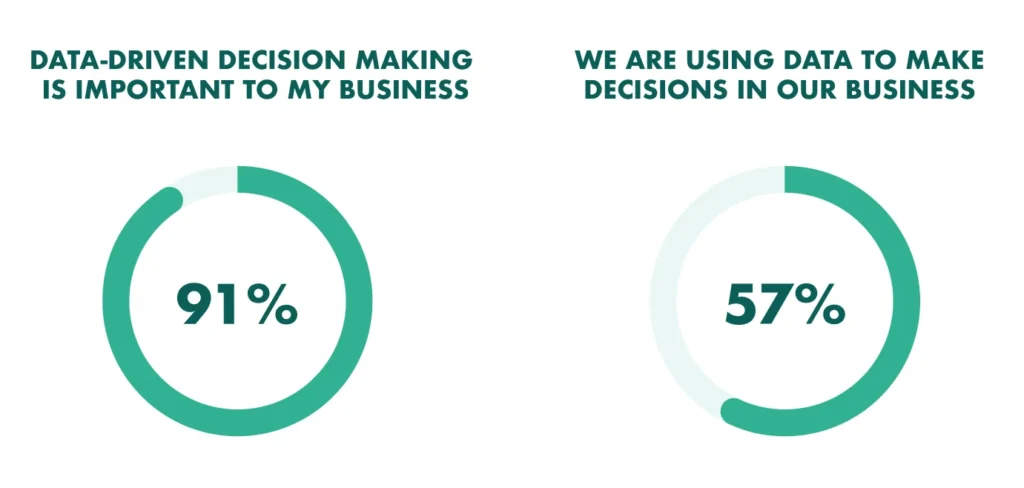
Data is very important. In today’s competitive environment, successful businesses no longer rely only on instinct or experience to make critical decisions. They rely on data.
The ability to collect, analyse, and interpret data allows business owners to understand what is really happening in their organisation and make better strategic choices. This approach is called data-driven decision-making, or DDDM.
Businesses that use data effectively can identify opportunities, reduce risk, improve customer experience, and increase profitability. On the other hand, businesses that ignore data often make costly assumptions that slow down growth.
What Is Data-Driven Decision-Making?
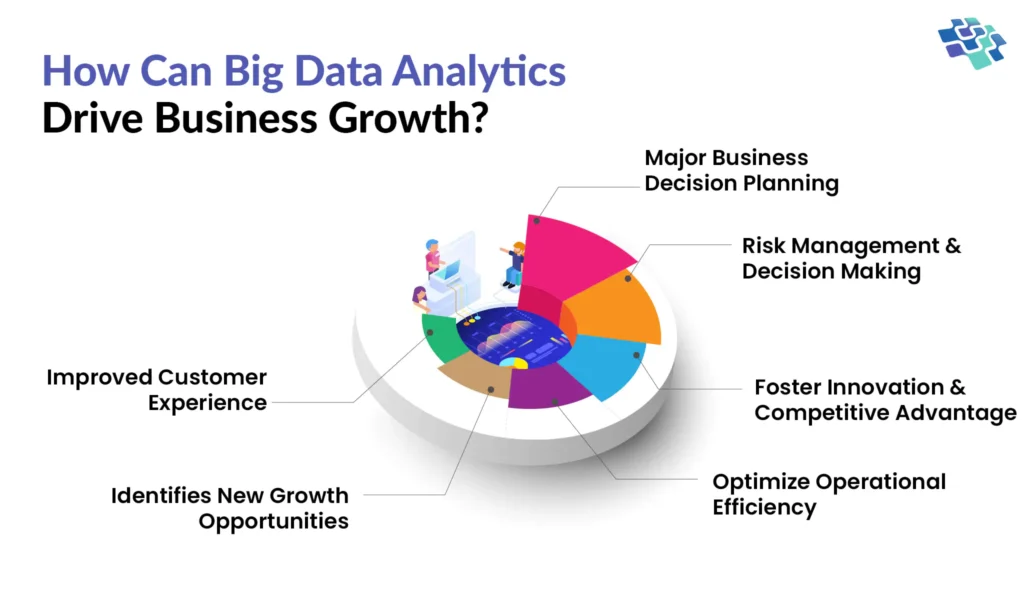
It is the process of using facts, metrics, and analytics to guide business decisions rather than relying only on intuition or guesswork. Instead of asking, “What do we think customers want?” a data-driven business asks, “What do the numbers tell us about customer behaviour?”
For example, imagine you run an online store that sells different types of cups. You may assume that a particular teacup is unpopular because people are not buying it. But after checking your website analytics, you discover that customers are actually interested in that cup. They visit the product page, add it to their cart, but abandon the purchase.
When you look deeper into the data, you find that the reason is high shipping cost. Without data, you might have concluded that nobody wanted the cup. But the data shows the real problem is not the product. It is the shipping cost.
That is why data matters in business.
Why Every Business Generates Data Every Day
Every business generates data every day, as long as records are being kept. This data can include website visitors, sales transactions, customer enquiries, marketing campaign results, and product demand patterns.
Take customer enquiries as an example. Suppose you sell cars and you have a sales hotline. Over the course of one week, many people keep calling to ask for a particular car model that you do not have in stock. That customer enquiry is valuable data. It tells you there is demand for that car, and it can guide your decision to stock it.
When properly analysed, business data reveals valuable insights about business performance and customer behaviour.
What Data Helps Businesses Do
Data helps businesses: understand their customers better, identify profitable products or services, improve marketing effectiveness, reduce operational waste, and predict future trends.
Companies like Amazon, Netflix, and Google rely heavily on data to guide their decisions. For example, when you watch a movie on Netflix from beginning to end, the system notices that you enjoyed it. Based on the movie’s tags, category, and your viewing behaviour, Netflix recommends similar movies because the data suggests you are likely to enjoy them too.
Data-driven decision-making is not only for large corporations. Small businesses can benefit from it as well.
Common Sources of Business Data
Businesses collect data from many different sources. Some of the most common include website analytics, sales data, customer feedback, and marketing performance metrics.
How Data Improves Business Decisions
1. Better Understanding of Customers
Data helps businesses understand customer preferences, behaviour, and needs. For instance, analysing purchase history can reveal which products customers often buy together. Businesses can use this insight to create bundles or personalise recommendations.
You may have seen this on e-commerce platforms or online learning platforms. For example, when you add a course to your cart, you might immediately see another related course recommended as part of a discounted bundle. That is data being used to understand customer behaviour and drive more sales.
2. More Effective Marketing
Data shows which marketing strategies actually work. Instead of spending money on advertisements that produce little or no result, businesses can focus on the channels that generate the most conversions.
3. Faster Problem Identification
Data can quickly highlight operational problems. These are problems that affect how the business runs. Examples include a sudden drop in website traffic, a decline in sales, or an increase in customer complaints. When these patterns are identified early, the business can respond quickly and effectively.
4. Improved Forecasting
With historical data, businesses can predict future demand and trends. For example, a retail business can analyse previous years’ sales data to estimate demand during festive seasons and avoid stock shortages.
Tools That Help Businesses Use Their Data Properly
There are many tools that make data analysis easier, even for non-technical users. Some of the most common include:
Google Analytics, which is useful for website traffic and user behaviour; Microsoft Excel or Google Sheets, which are useful for data organisation and analysis; CRM systems like HubSpot and Zoho, which help with customer and sales data; and business intelligence dashboards like Power BI and Tableau, which are useful for data visualisation and insights.
These tools help transform raw data into clear reports and visual insights that support better decision-making.
Challenges of Adopting Data-Driven Decision-Making
Although data is powerful, businesses may face several challenges when trying to adopt this approach.
1. Information Overload
Too much data can be overwhelming, so businesses must focus on the key metrics that truly matter.
2. Data Quality
Decisions based on inaccurate or incomplete data can lead to poor outcomes. That is why reliable data collection is very important.
3. Lack of Analytical Skills
Some organisations struggle because employees do not have the skills needed to interpret data. Investing in basic data literacy can significantly improve business performance.
Building a Data-Driven Culture in Your Organisation
For businesses to benefit fully from data, decision-making must become part of the organisation’s culture. This means encouraging employees to use data when making decisions, investing in analytics tools, training staff to interpret data correctly, and regularly reviewing key performance metrics. Over time, this approach helps businesses become more strategic and less reactive.
The Future of Data-Driven Businesses
The rise of artificial intelligence and machine learning is transforming how businesses use data. Modern systems can now analyse massive datasets, detect patterns, and provide recommendations automatically.
What does this mean?
It means businesses that embrace data today will be better positioned to compete in the future.
Conclusion

In conclusion, data-driven decision-making is no longer optional for businesses that want to grow and remain competitive. By turning everyday business data into actionable insights, organisations can make smarter decisions, improve efficiency, and deliver better value to customers.
In a world where information is abundant, the businesses that will succeed are not necessarily the ones with the most data, but the ones that know how to use data correctly.
Found this helpful? Share it with a business owner who needs to start using data today — and subscribe to the ChiidTech newsletter for more practical tech and business insights.