






Dell’s new 14S and 16S replace the old Plus lineup with Intel Core Ultra Series 3, Copilot+ AI features, and up to 26-hour battery life. Here’s what buyers need to know.
Introduction
Dell quietly killed its XPS brand in 2025. Then, after significant backlash, it brought XPS back at CES 2026. Now, sitting one tier below XPS, two brand-new laptops have arrived: the Dell 14S and Dell 16S.
These aren’t budget machines. They’re mid-range productivity laptops starting at $1,270, built around Intel’s latest Core Ultra Series 3 processors and positioned as the direct successors to the old Plus lineup. If you’ve been eyeing a capable everyday workhorse that doesn’t compromise on battery life or AI features, this is worth paying attention to.
What Happened to the Dell Plus Line?
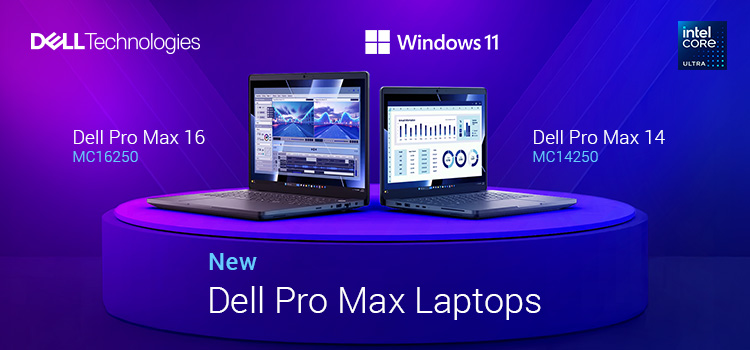
In 2025, Dell went through a controversial product restructuring. The company eliminated the beloved XPS brand, cut several entry-level and budget models, and introduced a simplified tier system. The backlash was swift and loud enough that Dell reversed course at CES 2026, restoring the XPS name.
The Plus line, however, didn’t make the comeback. The Dell 14S and 16S are its replacements, sitting between the XPS premium tier and Dell’s more entry-level options. They’re designed for professionals and students who want solid performance and real battery life without paying XPS prices.
Processors: Intel Core Ultra Series 3 (With AMD Coming Soon)
Both the 14S and 16S ship with Intel Core Ultra Series 3 processors, topping out at the Intel Core Ultra 9 386H. The NPU built into this chip delivers up to 50 TOPS of AI acceleration, which is what qualifies these laptops as Copilot+ PCs.
Dell’s internal benchmarks (Cinebench R24 Multi-core, April 2026) show the 14S delivering up to 97% higher multitasking performance versus the previous-gen Dell 16 Plus. The 16S lands at up to 59% higher multitasking performance over its predecessor.
AMD Ryzen AI 400 Series variants are also confirmed, but won’t be available until later in May 2026. If you’re set on AMD, it’s worth waiting a few weeks.
Battery Life: The Numbers That Stand Out
Battery claims from manufacturers are always taken with a grain of salt, but Dell’s figures here are worth noting.
- Dell 14S: Up to 24 hours for productivity tasks, up to 18 hours of streaming
- Dell 16S: Up to 26 hours of streaming, up to 14 hours for everyday tasks
Dell’s longest battery claim — 39 hours on the 14S — is based on local FHD video playback with brightness set to 150 nits, tested with the Core Ultra 7 355 processor. Real-world numbers will be lower, but even half these figures would be competitive with most rivals in this price range.
Display Options
Both models ship with FHD+ base panels at 400 nits brightness. Upgrades are available:
- QHD+ displays with 120Hz refresh rate and 500 nits brightness, with Dolby Vision support
- OLED panels for deep blacks, high contrast, and 100% DCI-P3 color coverage
The OLED option is the one to choose if you do any photo or video editing. For pure productivity work, the QHD+ upgrade is a reasonable middle ground.
Build, Design, and Colors
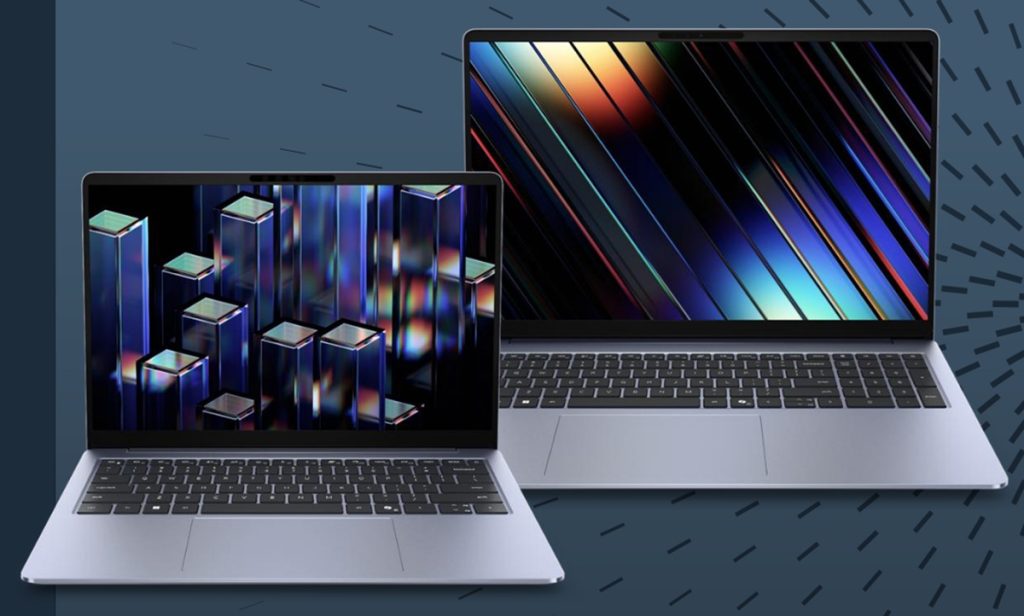
Both laptops use aluminum builds with a 15.3mm chassis, available in Celestial Blue and Frost Blue.
The Dell 14S weighs 3.2 lbs (1.45kg), and the 16S comes in at 3.9 lbs (1.76kg). These are legitimately slim and light machines for their class. Both ship with Dolby Atmos-tuned speakers and Smart Amplifier technology, which is a welcome addition for a productivity laptop.
On the sustainability side, both models are built with recycled aluminum and plastics, ship in fully recycled packaging, and carry ENERGY STAR certification.
Memory and Storage
Both the 14S and 16S come in 16GB or 32GB RAM configurations. Storage runs from 512GB up to 2TB. Given these are productivity-first machines, 32GB plus 1TB is the configuration most power users will want, though pricing for those configs hasn’t been fully detailed yet.`
Copilot+ PC Features
These laptops are certified Copilot+ PCs, meaning they run Microsoft’s AI-powered features directly on device, no cloud connection required. A dedicated Copilot+ shortcut key is built into the keyboard.
Practically, this means features like real-time translation, AI-enhanced video calls, and improved responsiveness are handled locally by the NPU. For users who work on the go or in areas with spotty connectivity, that matters.
Pricing and Availability
| Model | Starting Price (US) | Available Now? |
|---|---|---|
| Dell 14S | $1,269.99 | Yes (Intel) |
| Dell 16S | $1,319.99 | Yes (Intel) |
| AMD variants | TBD | Later May 2026 |
Both Intel configurations are available now on Dell’s website. AMD buyers should check back later this month.
Who Should Buy These?
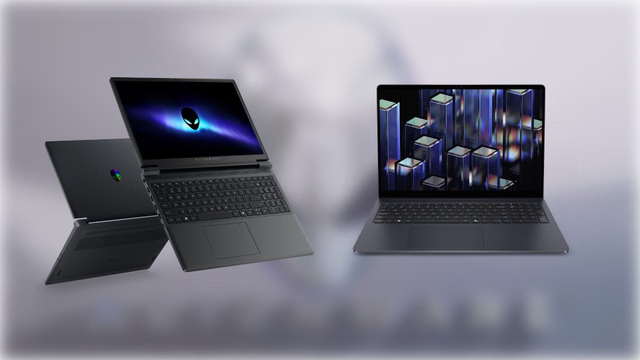
The 14S is the better pick if you commute, travel frequently, or want maximum portability without sacrificing meaningful performance. At 3.2 lbs, it won’t drag down your bag.
The 16S makes more sense if you primarily work at a desk or want a larger display for side-by-side multitasking. The 26-hour streaming battery is a genuine bonus for long travel days.
Neither is a gaming machine. For that, Dell announced the new Alienware 15 alongside these two, a more affordable entry into the Alienware gaming lineup.
Conclusion
Dell’s 14S and 16S are a clean successor to the Plus lineup: slimmer, faster, and better suited to the AI-forward software environment Windows is building toward. The Intel Core Ultra Series 3 chip, long battery life, display upgrade options, and Copilot+ certification make these competitive in a crowded mid-range market.
At $1,270 and $1,320 respectively, they’re not cheap. But for buyers who need a reliable daily driver with real staying power and genuine AI processing capability, these deserve a close look.